Background
Following feedback collected over recent years, the FIM Technical Commission (CTI), with the support of the FIM Academy, identified the need to modernise the educational framework for Technical Stewards and Senior Technical Stewards. Traditional seminars were considered less impactful than in the past, particularly in terms of practical application and preparation for increasingly complex technical responsibilities.
In response, a new structured education pathway was introduced, consisting of two complementary levels designed to address the different stages of technical development.
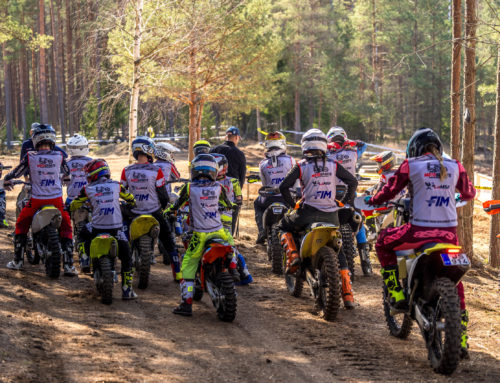
The first component of this framework is the Level 1 Seminar for Technical Stewards, specifically designed for newcomers and for the renewal of Technical Steward licences. This programme focuses on the fundamentals of technical inspection, combining theoretical knowledge with practical exercises such as rider equipment checks, safety inspections, engine verification procedures, and the introduction of emerging technologies, including e-bikes. The Level 1 seminars are organised by National Federations with the support of FIM instructors and provide participants with the necessary foundation to perform basic technical controls in a safe and consistent manner.
Building upon this foundation, the Level 2 Seminar for Senior and Chief Technical Stewards was developed as an advanced training programme targeting experienced officials with higher responsibilities, particularly those involved in national and international competitions. Two specialised Level 2 seminars were introduced – Off-Road and Circuit Racing – designed for experts responsible for supervising technical teams and ensuring compliance with FIM regulations at the highest level.
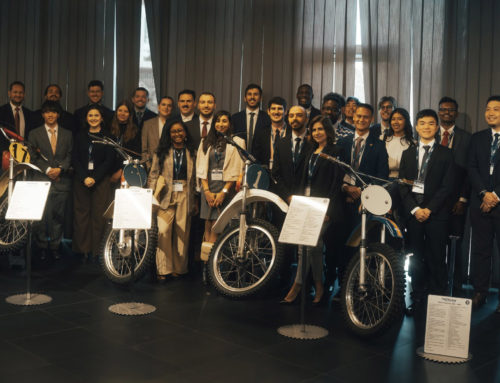
The Level 2 programme is delivered at the FIM Technical Lab at the FIM Headquarters, making use of modern facilities where motorcycles from multiple disciplines are available for practical training. This environment allows participants to engage directly with advanced technologies, including modern electronic systems and new trends such as electric motorcycles and e-bikes.
This redesigned training concept reflects FIM’s commitment to strengthening technical expertise worldwide. By combining foundational learning (Level 1) with advanced professional development (Level 2), the programme supports the creation of highly competent Technical Stewards capable of contributing both to the development of their National Federations and to the safe and professional delivery of FIM competitions.
Geographic territories
Technical Officials from National Federations worldwide
Budget
–
Dates
Ongoing (annual sessions delivered during the Commissions Conference period)
Partners
- FIM Technical Commission (CTI)
- Technical experts and senior Technical Stewards
Activities
The Level 2 programme is delivered over two full days, combining theoretical instruction with practical exercises and assessments.
Core training components include:
- Team organisation and reporting procedures
- Motorcycle safety inspections across multiple disciplines
- Engine capacity measurement (2-stroke and 4-stroke engines)
- Equipment checks (helmets, airbags, protective gear)
- Sound control testing
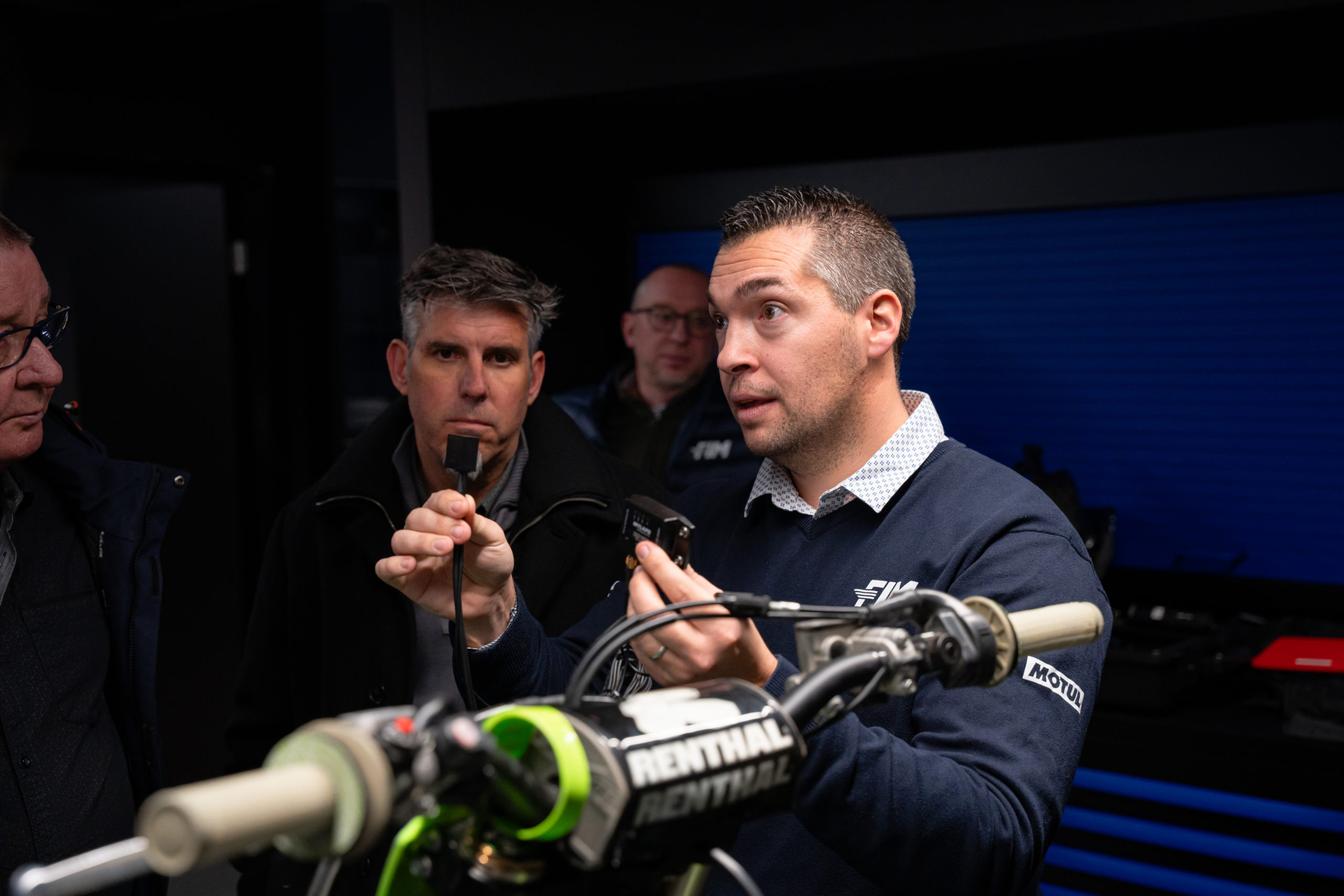
- Electronic systems and data logger inspection
- E-bike control and safety procedures
- Practical group exercises and technical tests
- Final debriefing and performance review
Participants complete multiple practical tests throughout the programme to validate their technical competencies.
Action Plan
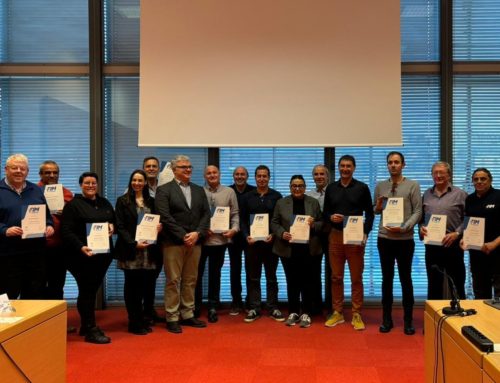
In 2026, 43 participants in total attended the Level 2 Technical Steward Programme, delivered as an intensive two-day training course, structured around practical workshops and expert-led sessions.
The programme includes:
- Advanced practical technical inspections: Participants conduct real-world safety checks on motorcycles from different disciplines.
- Technical measurement and verification: Training includes procedures such as engine capacity verification, equipment inspection, and sound control testing.
- Exposure to new technologies and emerging trends: Participants work with modern electronic systems, data loggers, and electric vehicles, gaining familiarity with evolving technical standards.
- Team organisation and reporting procedures: Workshops focus on effective teamwork, documentation, and communication within technical control teams.
- Interactive group-based learning: Participants are divided into working groups to complete structured exercises and practical tests throughout the programme.
The sessions are led by senior Technical Commission experts, ensuring alignment with FIM regulations and best practices.
The programme makes extensive use of the FIM Technical Lab, where participants can engage directly with motorcycles and equipment from different disciplines, reinforcing practical understanding through hands-on experience.
Objectives
The Level 2 Technical Steward Programme aims to:
- Develop highly competent Technical Officials: Provide advanced technical knowledge and practical skills aligned with modern FIM standards.
- Strengthen National Federation technical capacity: Enable trained officials to return to their federations and support the development of national technical teams.
- Support knowledge transfer at national level: Encourage Level 2 participants to train and mentor local technical personnel.
- Ensure high-quality technical control at FIM events: Prepare officials capable of supporting international competitions with professional-level expertise.
- Increase familiarity with emerging technologies: Provide hands-on experience with modern electronics, data systems, and electric-powered vehicles.
- Promote standardized technical practices worldwide: Ensure consistency in safety inspections and technical procedures across all regions.
Anticipated outcome
- Creation of a highly skilled global network of Technical Stewards
- Strengthened technical capacity within National Federations
- Improved quality and consistency of technical inspections at both national and international levels
- Increased readiness of officials to support FIM competitions worldwide
- Enhanced knowledge of modern technologies, including electronics and electric mobility
- Development of local training structures, as Level 2 graduates contribute to educating national technical staff